






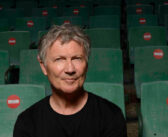


Abul Mogard & Rafael Anton Irisarri – Impossibly distant, impossibly close (Black Knoll Editions)
It was only a matter of time for Rafael Anton Irisarri to start a label. With a remarkable solo trajectory,…

Interview with the Absorb(ed) festival
Up several flights of stairs, opposite RMIT University, is one of a Naarm/Melbourne’s best small to mid sized venues, Miscellania…




Cyclic Selects: Black Jesus Experience
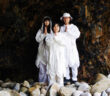
Black Jesus Experience is a 10 (+) piece cooperative of musicians and poets who encapsulate the spirit of multi cultural…



Film & Books

Regurgitator Unit (33 1/3/ Bloomsbury)
Many have claimed the album is dead. Since 2009, when Ian Astbury of band The…

Fist Of Fury (Umbrella)
When Bruce Lee returned to Hong Kong in 1971 on a two picture deal with…

Deathcheaters (Umbrella)
I wasn’t expecting much from Deathcheaters to be honest, as like Stunt Rock (you can…

The Big Boss (Umbrella)
The Big Boss was the film that made Bruce Lee a star. Despite having acted…

Loraine James @ DNIT (Barcelona) 17th of November 2023
DNIT has been a hidden gem for avid music lovers in Barcelona for over a decade now. There’s usually a…

MIRA Digital Arts Festival – 10th-11th of November 2023: Barcelona
The cultural offerings in Barcelona just don’t take a break, and this fall gave us many surprises. In the middle…





Audio
-
Listen to a strange new work from Stuart Argabright & After After
-

-
Listen to Lawrence English’s bleak new remix of Yuko Araki’s ‘‡Magnetar’
-

-

-

Listen to Soft Pink Truth’s mesmirising mix of Sam Prekop & John McEntire’s Sons Of
-

Listen to Herbert’s banging spiritual rework of Hatis Noit’s ‘Thor’
-
Listen to blackened Bangladesh noise from Debopom Ghosh Must Be Killed
-

-
Video
-

Watch the meditative new Mike Cooper and Andrew Tuttle duo clip
-

Watch the video for Barney McAll’s strange, nostalgic and uplifting new work
-
-

Watch a Tarkovsky influenced clip for Carlos Ferreira’s evocative new work
-

Watch the snow capped forests of Bulgaria in Solbore’s new work
-

Watch the astonishing Taipan Tiger Girls live @ Melbourne Town Hall on the Pipe Organ
-

Watch the potentially seizure inducing clip from Sow Discord’s abrasive new album
-
Watch the beautifully smeared clip of J.WLSN’s beautifully smeared new work
-

-

Watch the lysergic soaked clip from Kate Carr’s ‘Guide to Phantasmic Birds’